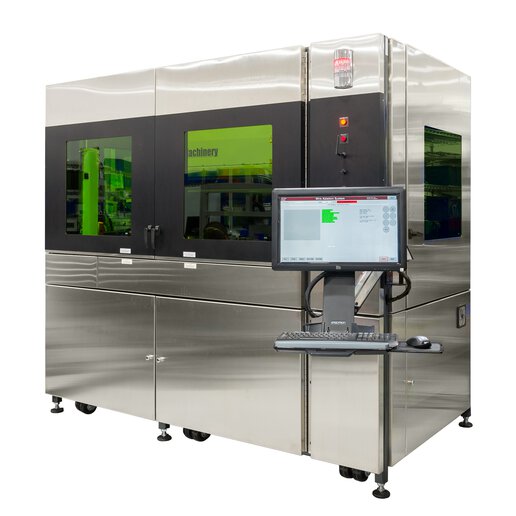
Implantable Medical Devices
Custom automation and inspection systems designed to meet the highest standards for safety, precision, and regulatory compliance.
Automation Systems for High-Reliability Implantable Medical Devices
Implantable medical devices are among the most highly regulated and challenging products to manufacture due to their complexity, form factor, and exceptionally high performance and reliability requirements. PAR Systems delivers custom automation systems that support the precision manufacturing needs of these devices while adhering to their strict regulatory requirements.

Stents
Stent manufacturing requires tight control across a series of closely linked processes. Small variations in dimensions, coating thickness, or thermal exposure can directly affect device performance and yield.
PAR has supported the production of a wide range of stent products, including:
- Cardiovascular stents (bare metal, drug-eluting)
- Peripheral stents (self-expanding and balloon-expandable)
- Neurovascular stents
- Urological stents
- Pulmonary stents
- Gastrointestinal stents
While each application presents its own unique manufacturing challenges, many stent programs share common process requirements, including:
- Heat treatment
- Expansion
- Coating
- Balloon encapsulation
- Precision metal cutting and forming
- Crimping or assembly of radio-opaque (RO) markers
At PAR, we bring deep experience with the materials, process constraints, and quality requirements associated with these critical manufacturing steps.
Batteries and Capacitors
Manufacturing implantable batteries and capacitors requires precise control of small, energy-dense components, highly variable materials, and tightly constrained form factors.
PAR has decades of experience designing custom automation to support the reliable, high-volume production of implantable power components used in devices such as pacemakers, ICDs, neurostimulation systems, and implantable drug-delivery platforms. This experience spans all critical processes including:
- Material Handling: Reel-to-reel, stamped, or powder preparation, with web line controls for common battery elements such as lithium, nickel, and cobalt
- Precision Processing: Laser-cutting, thermoforming, high-force pressing, and de-flashing
- Component Assembly: Stacking, alignment, and taping of thin, delicate layers
- Metrology & Inspection: Weight scales, machine vision, and 3D profilometry
At the core of each of these processes is an understanding of how to handle small components and accommodate variations in materials using advanced vision and precision motion controls.

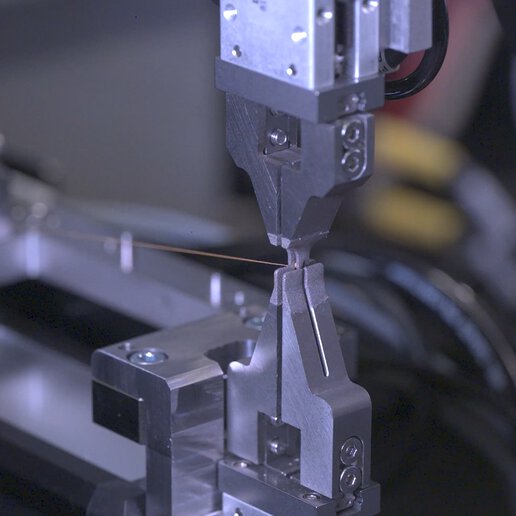
Leads
Implantable lead manufacturing requires precise handling of fine conductors and tightly controlled insulation and termination processes. With high conductor counts and very small geometries, even minor process variation can compromise electrical performance, mechanical integrity, or long-term reliability.
PAR designs custom automation capable of:
- Manipulating fine wires presented in a wide range of form factors
- Selectively removing or preserving insulation materials without damaging conductors
- Performing precision conductor terminations through soldering or other joining methods
- Completing in-line inspection and electrical verification to ensure performance and traceability
- Senior Principal Engineer, Fortune 500 Medical Device Company
Our ability to make product and in the necessary quantities can be directly attributed to the custom tools supplied by your team.
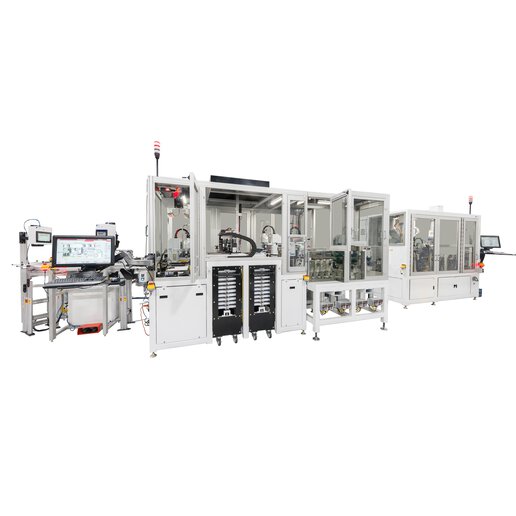
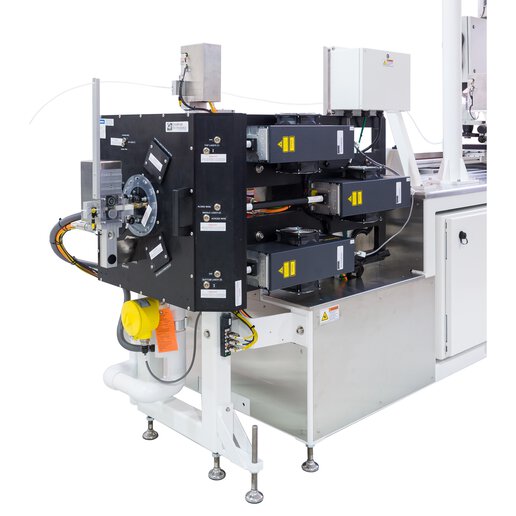
Sample Implantable Device Manufacturing Systems
Across implantable medical device applications, PAR partners with manufacturers to design custom automation that balances precision, reliability, and regulatory rigor. From early process development through validated production, our teams bring the engineering depth required to turn complex manufacturing challenges into repeatable, scalable systems.
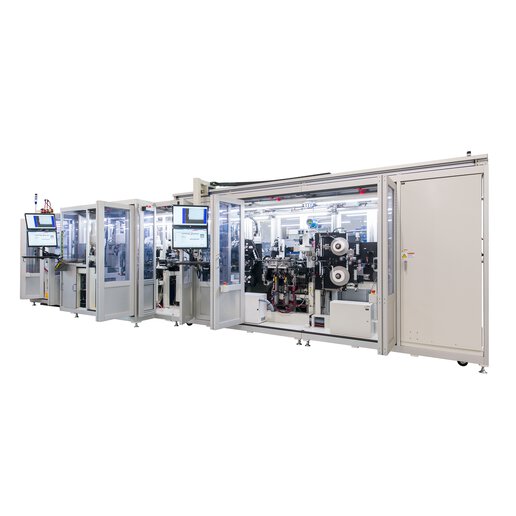
Automated Assembly
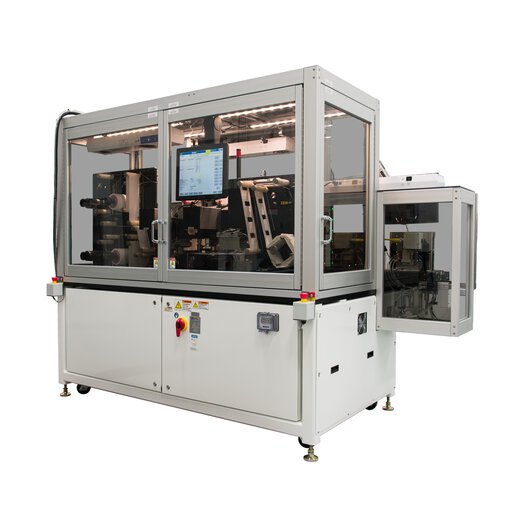
Device Packaging
Assembly & Inspection
Device Processing