The Evolving Role of the Systems Integrator in a Connected Manufacturing World

Chris Nathan
Sales Account Manager
As manufacturing systems become more connected, the traditional boundaries between IT and OT are increasingly blurred. While this convergence is widely discussed, its impact on the role of the systems integrator is often overlooked.
Large manufacturers are investing heavily in internal digital infrastructure, data platforms, and industrial software teams. As a result, many of the responsibilities that once defined the integrator’s role are now being absorbed by internal teams.
This shift raises an important question: What is the responsibility of a systems integrator in this new landscape?
Background: The Shifting Architecture of Industrial Systems
For years, industrial automation has been organized around the familiar automation pyramid: field devices at the bottom, machine control above that, then supervisory systems like SCADA and MES, and finally enterprise systems at the top. In theory, this hierarchy created clear boundaries between organizations and responsibilities.
In practice, it also created challenges. As large manufacturing organizations scale globally, they can accumulate hundreds of custom integrations across their manufacturing stack. Over time, those connections can become brittle, difficult to maintain, and challenging to standardize across sites. The result is hard-to-use data and a growing amount of technical debt.
To address this, many manufacturers are now adopting modern industrial data architectures, often centered around a Unified Namespace (UNS) built on MQTT. Instead of tightly coupled point-to-point integrations, machines can publish structured data into a common event-driven infrastructure that is consumed by analytics platforms, MES systems, quality systems, or enterprise applications.
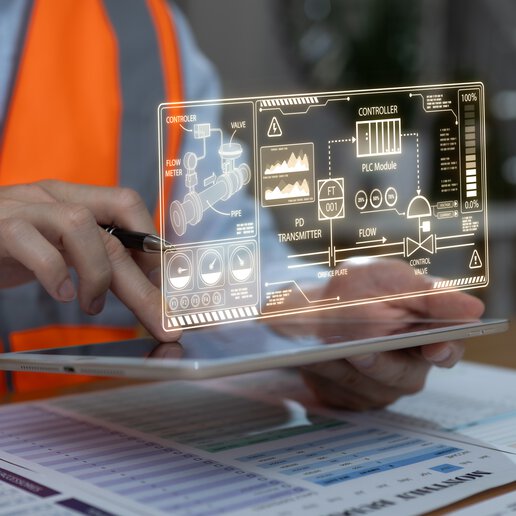
What makes this transition possible today is that industrial software platforms have matured significantly. Technologies such as Ignition, HiveMQ, and Litmus now allow manufacturers to build scalable industrial data infrastructure. At the same time, deployment technologies like Docker and Kubernetes enable these platforms to be deployed and standardized across global operations using modern DevOps practices. Manufacturing technology has finally caught up to traditional IT technology, and adoption is moving quickly.
The result of these architectural changes is an industrial pyramid that casts new responsibilities upon organizations.
The Evolving Role of the Systems Integrator
Discussions about modern industrial automation often blur an important distinction: the difference between a systems integrator and a custom machine builder.
A traditional systems integrator focuses on connecting existing equipment and software systems—developing control architectures, integrating SCADA or MES platforms, and ensuring machines and production lines operate as a cohesive system.
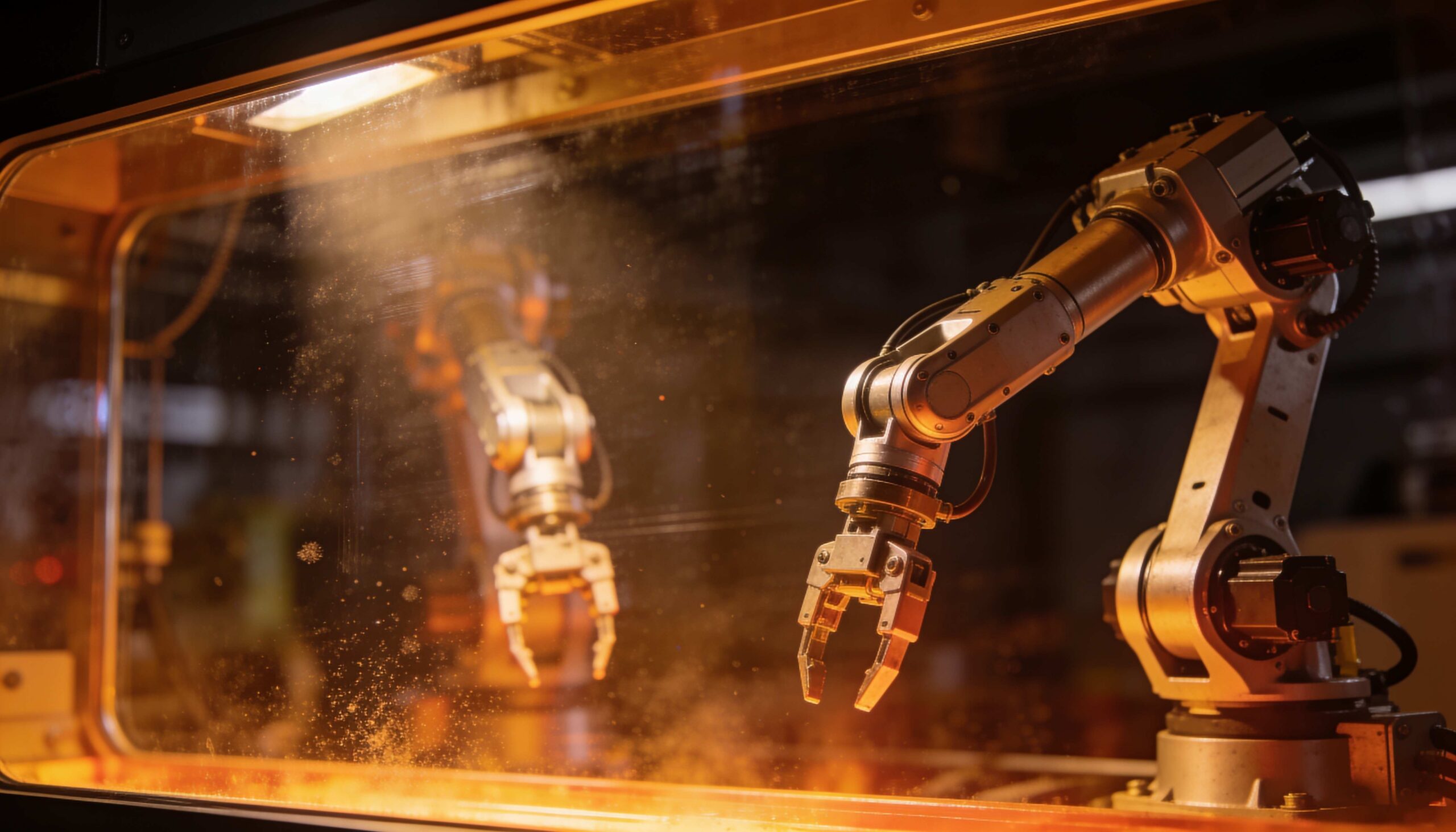
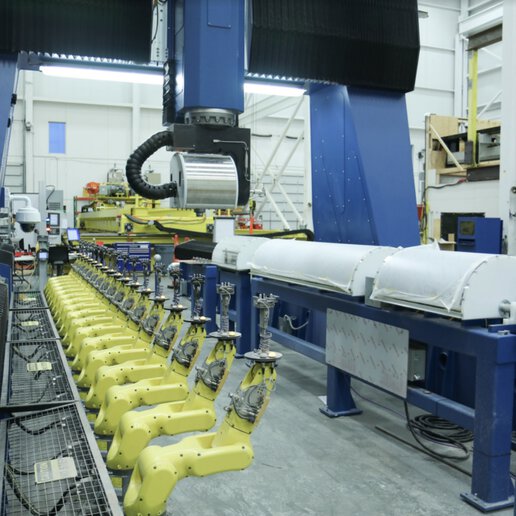
A custom machine builder, on the other hand, designs and delivers the physical production equipment itself, including robotics, motion systems, tooling, and the mechanical platforms that perform the manufacturing process.
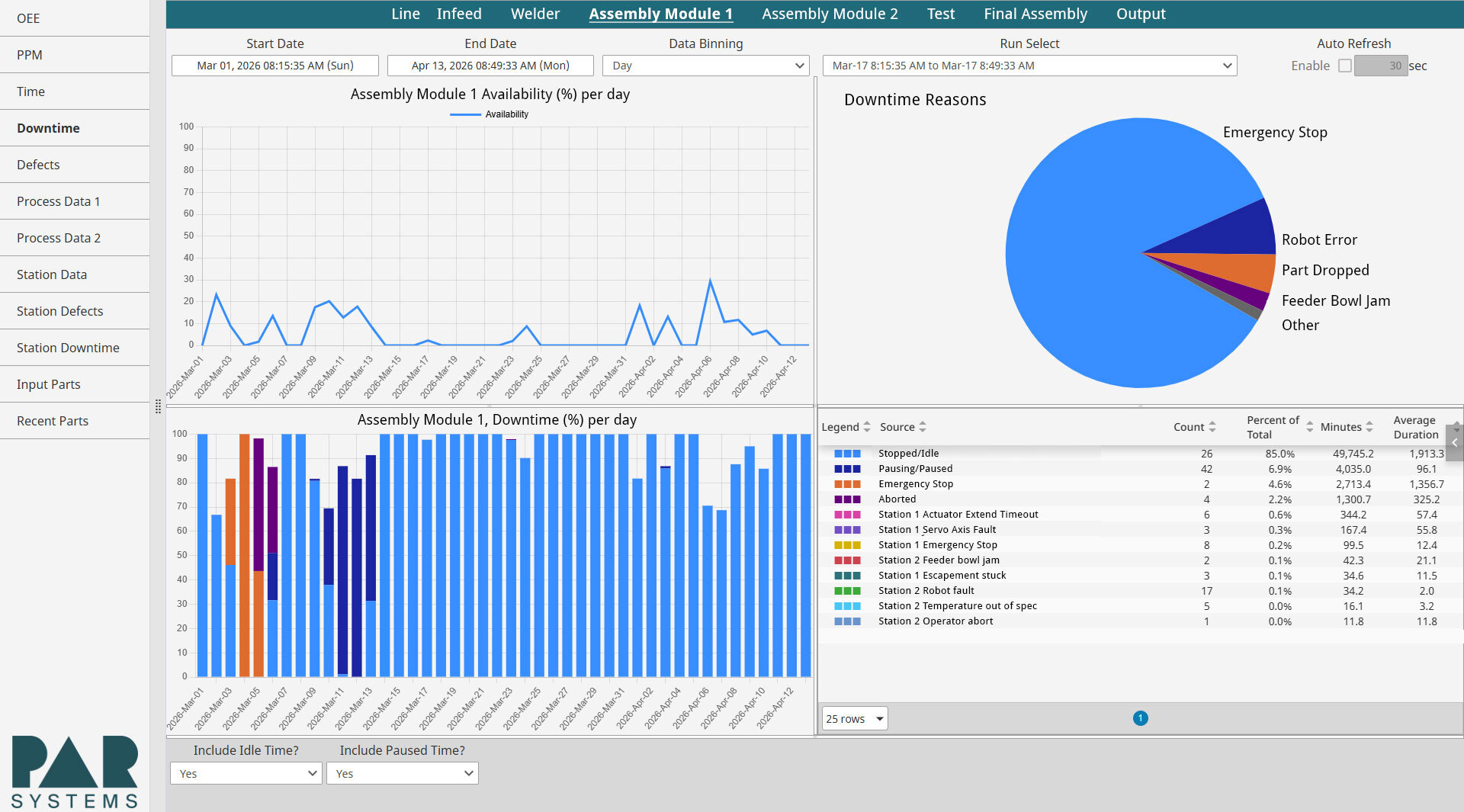
In practice, many advanced automation companies, like PAR Systems, operate across both roles, delivering both equipment and integration as part of a single solution. These systems must still deliver what has always mattered, precision mechanics, reliable controls, safety systems, throughput, and repeatable manufacturing performance, while also serving as data-producing assets within a broader enterprise architecture.
This shift requires a different mindset. Controls and automation engineers can no longer focus only on machine behavior and performance. They need to think like software engineers, applying modern software development best practices to build systems that are scalable, maintainable, and designed for integration.
Here are some fundamental principles that have proven important for our teams at PAR Systems:
- Assume the software will evolve: Machine software should be written with the expectation that it will be reviewed, extended, and modified over time.
- Limit surface area: Expose only the data that external systems need while encapsulating internal machine logic.
- Be explicit and consistent with data models: Well-defined tag structures and reusable data models dramatically improve interoperability across systems.
- Understand how data is consumed: Integrators must understand how MES platforms, analytics pipelines, and enterprise systems interpret machine data.
- Establish a clear source of truth: Ambiguity in data definitions leads quickly to integration problems.

Becoming Good Citizens of a Larger Ecosystem
A useful analogy can be found in how open-source software projects evolve over time. Each contribution solves a problem, fixes a bug, or adds a new feature. In manufacturing, a new machine or production line plays a similar role, adding capability to a broader system, the manufacturing network.
In both cases, each addition must be thoughtfully designed. Poorly implemented changes can introduce new issues, create unnecessary dependencies, and limit future flexibility.
As suppliers, we are contributing to a larger system of interconnected technologies. Without understanding the infrastructure beyond the workcell or production line, it is easy to make assumptions that lead to systems that integrate poorly and accumulate technical debt.
When machine builders align with enterprise data architectures, they become reliable participants in the technical contracts that define how systems interact. This is where close collaboration between OEMs, system integrators, and internal enterprise teams becomes essential.
The Future: Deeper Collaboration Between OT and Enterprise Engineering
The future of manufacturing automation will involve much deeper collaboration between internal IT/OT teams and external automation partners.
Better specifications and clearer definitions of roles and responsibilities will be part of the solution. But to keep pace with the speed of technological change, a more collaborative approach is required. Suppliers and end users must work together in a way that elevates both sides and leads to better outcomes.