Heavy-Lift Precision: How Specialized Cranes Support NASA’s First Crewed Artemis Mission
Precision Handling for Human Spaceflight: PAR Crane Systems and Artemis II
As NASA’s Artemis II mission approaches its historic launch- the first crewed mission of the Artemis program- the precision and reliability of ground support hardware are more critical than ever. Among the unsung enablers of this effort are specialized crane systems engineered and supplied by PAR Systems, supporting the safe handling of flight hardware throughout the launch preparation process.
Spaceflight hardware for Artemis II, including components of the Space Launch System (SLS) rocket and the Orion spacecraft, ranks among the largest, heaviest, and most delicate assemblies ever produced. PAR’s crane systems support critical operations across multiple phases of the mission, including manufacturing, integration, and launch preparation.
During the Artemis II campaign, PAR crane solutions are used to:
- Lift and position large SLS rocket components during manufacturing and integration activities
- Support handling of Orion spacecraft elements during processing and assembly
- Enable precise alignment and placement during final integration and pre-launch operations
These systems operate in controlled manufacturing and processing environments as well as launch-site facilities, where accuracy, repeatability, and safety are paramount.
Above: Teams with NASA’s Exploration Ground Systems have lifted and moved the gigantic core stage booster onto the Mobile Launcher platform, followed closely by the Launch Vehicle Stage Adapter (LVSA) and interim cryogenic propulsion stage (ICPS). The core stage, with the twin side boosters, will generate 8.8 million pounds of thrust at liftoff, and the LVSA will support the upper stage of the Moon rocket during launch and ascent. The four-story propulsion system will enable the Orion spacecraft to build up enough speed for the push toward the Moon during the Artemis II crewed test flight. (Source: NASA)
Enhanced Precision for Crew Readiness
With astronauts onboard, Artemis II introduces a new level of operational rigor. Human-rated missions demand tighter tolerances, additional verification steps, and consistent performance across repeated lifts and handling operations.
PAR’s crane systems incorporate advanced control technologies- including anti-sway functionality, precise load positioning, and operator-focused automation features- to help ground teams execute complex lifts smoothly and predictably. This precision reduces risk during critical handling steps and supports the disciplined workflows required for crewed spaceflight.
Building on experience from Artemis I, these crane systems continue to support repeatable, mission-ready operations, helping ensure that flight hardware is moved, positioned, and staged with confidence throughout the Artemis II timeline.
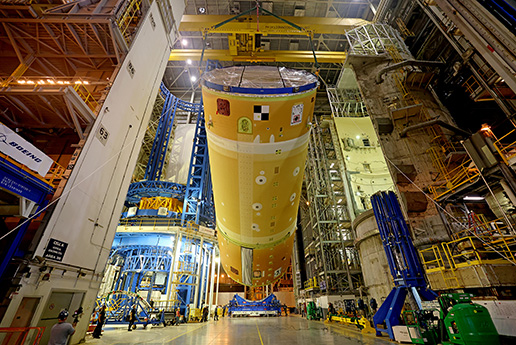
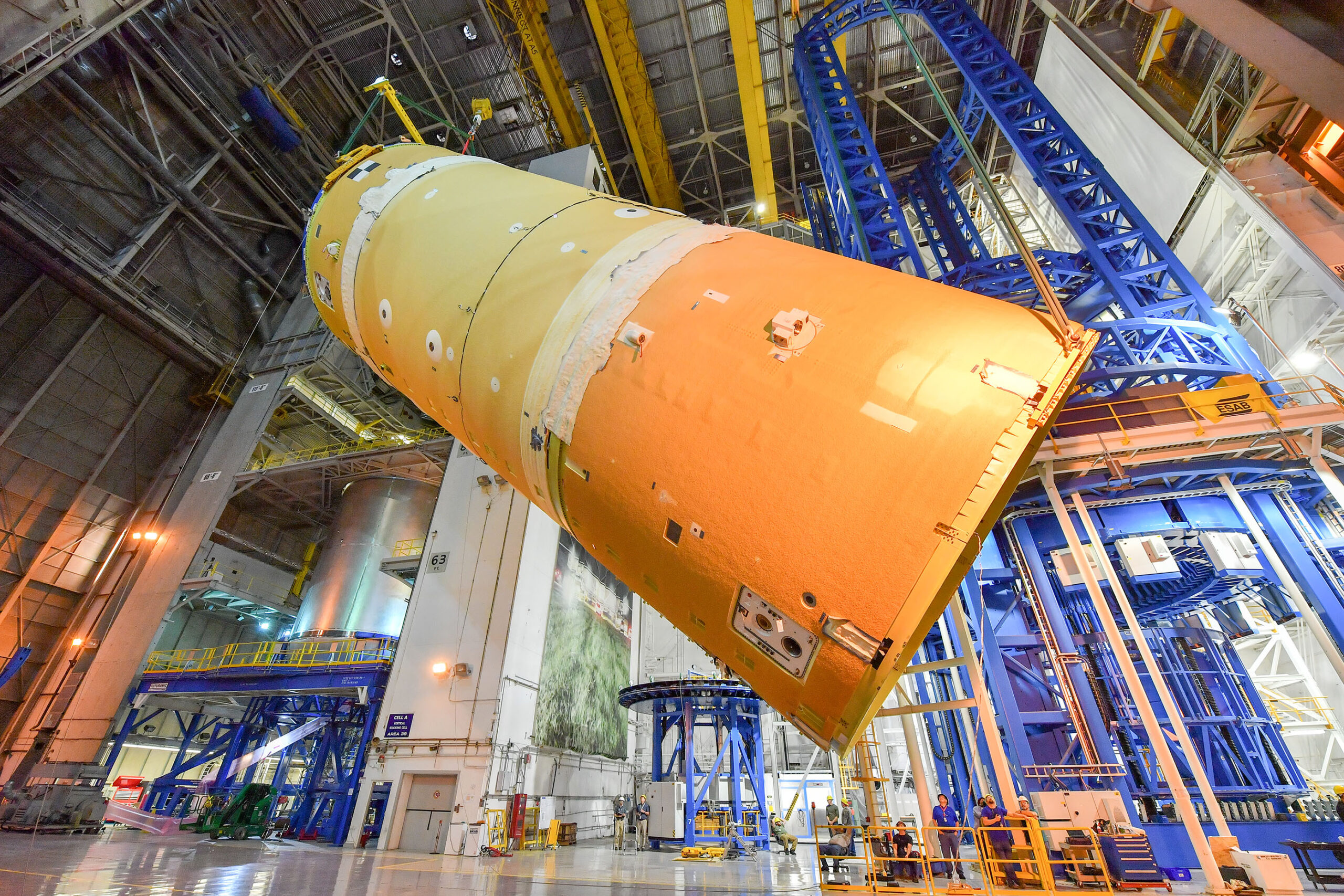
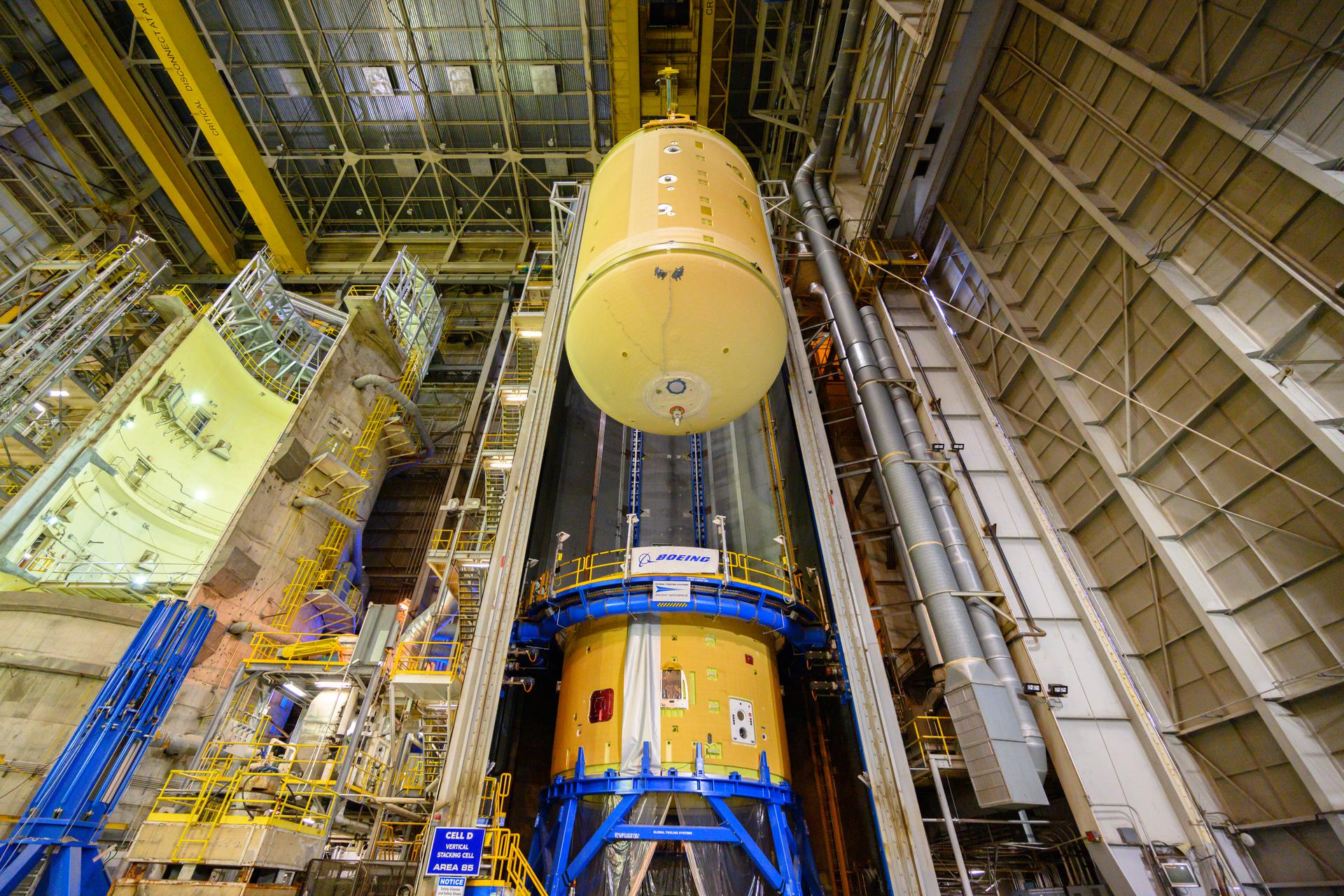
Image credits: NASA
Supporting Key Artemis II Milestones
As NASA completed major milestones, such as stacking and rollout of the SLS rocket and Orion spacecraft to Launch Complex 39B, ground systems hardware played a vital role in demonstrating readiness for human flight. Crane systems are a foundational part of this infrastructure, enabling safe movement of massive assemblies while maintaining strict control over loads and clearances.
While rarely visible once the countdown begins, PAR’s crane systems continue to work behind the scenes- supporting the precise handling that human spaceflight demands.
Quietly Enabling the Mission
From manufacturing floors to launch-site facilities, PAR Systems’ crane technologies help bridge the gap between engineering and execution. As Artemis II prepares to carry astronauts on a journey around the Moon, these systems remain an essential part of the ground operations that make human exploration possible.