Why Pulsed Field Ablation Is Forcing a New Standard in Catheter Manufacturing
Pulsed Field Ablation (PFA) is quickly emerging as a breakthrough in electrophysiology. Traditional ablation methods, such as radiofrequency (RF) or cryoablation, rely on thermal energy to destroy tissue. These approaches are relatively forgiving because heat diffusion and thermal effects can smooth out small inconsistencies in how energy is delivered.
PFA takes a fundamentally different approach, however. It uses high-voltage, ultra-short electrical pulses to create an electric field that disrupts cell membranes, selectively ablating tissue without significant heat.
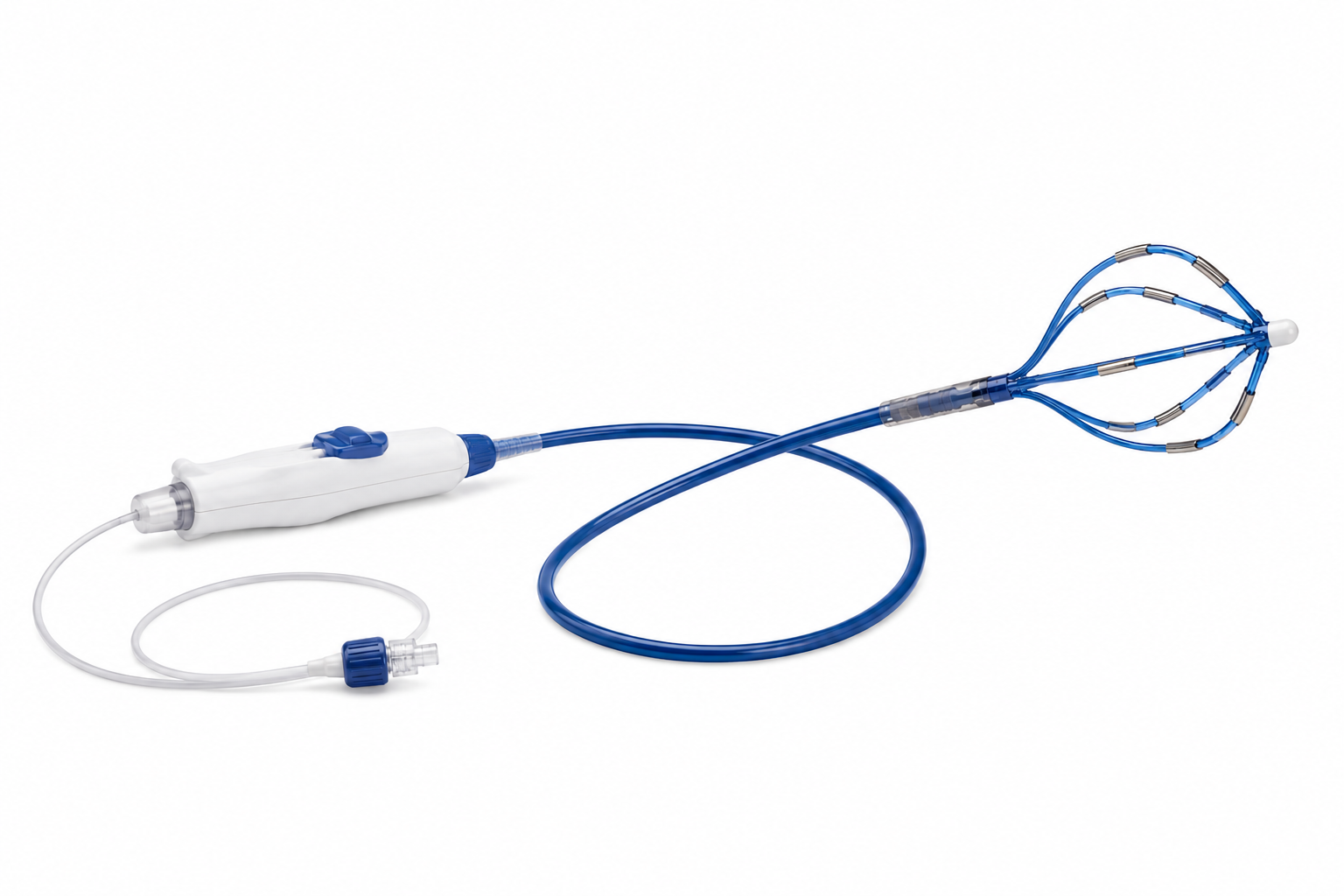
Ablation performance depends on the shape and consistency of the electric field, whereas RF ablation is primarily only concerned with energy delivery. That field is created by the geometry of the catheter itself, typically through multi-electrode arrays deployed inside the heart, and this is where PFA catheter manufacturing becomes significantly more complex.
The Limits of the Workstation Model
Catheter manufacturing has traditionally relied on modular, process-specific workstations such as tip forming, bonding, coating, assembly, etc., where each process can be performed independently.
However, the multi-electrode arrays present on PFA devices, and their complex geometries, require a higher level of manufacturing sophistication for proper assembly. Several operations must be combined to achieve the correct electrode spacing, alignment, and symmetry which determines integrity of the electric field delivered to tissue.
The complexity of this new design has introduced several new challenges that medical device manufacturers need to address.
New Product Challenges
Because the electric field is geometry-driven, small variations in electrode position or deployment shape can lead to significant differences in performance. This shifts manufacturing from managing component tolerances to controlling system-level geometry, including how the device behaves when deployed.
Additionally, PFA is also less tolerant of variation than thermal approaches. Because there is no thermal “buffer,” small deviations in geometry or assembly can directly impact performance.
From Workstations to Integrated Systems
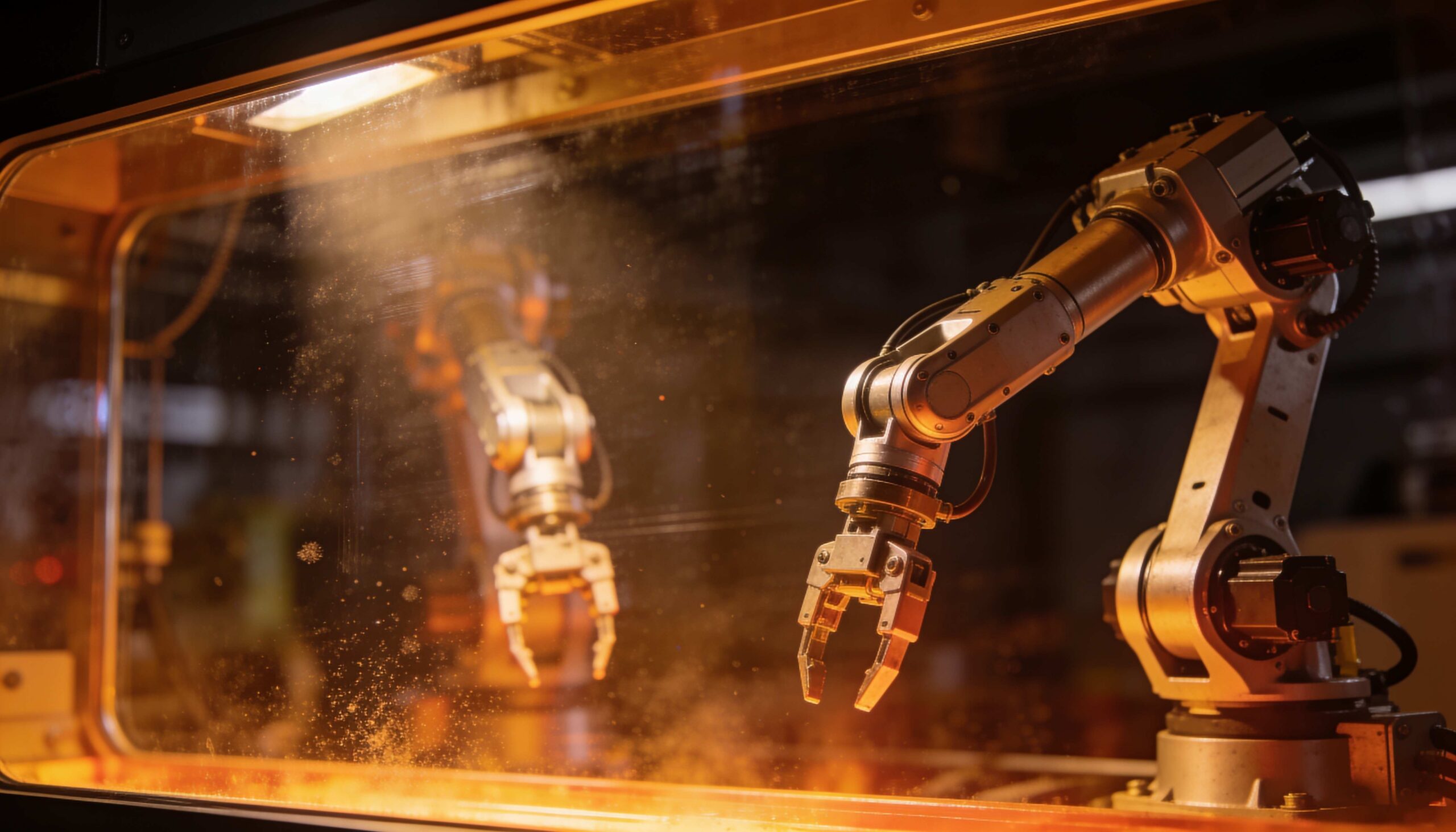
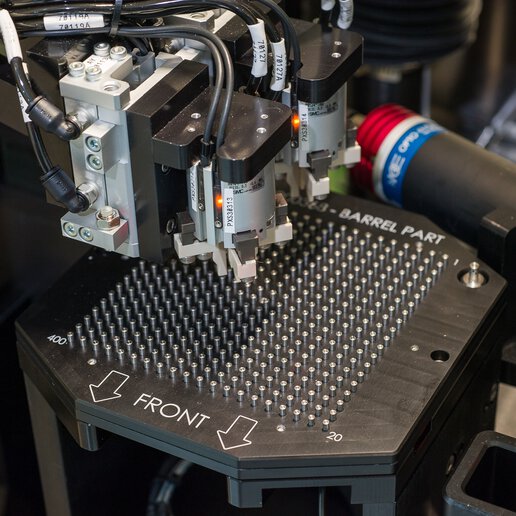
These demands are driving a shift toward integrated automation workcells: systems that combine multiple processes into a single controlled environment.
Key capabilities include:
- Multi-axis precision motion for consistent 3D assembly
- Advanced fixturing to control geometry during build and deployment
- Inline vision and metrology for real-time verification
- Closed-loop control to correct variation as it occurs
- Force feedback to manage interaction with flexible components
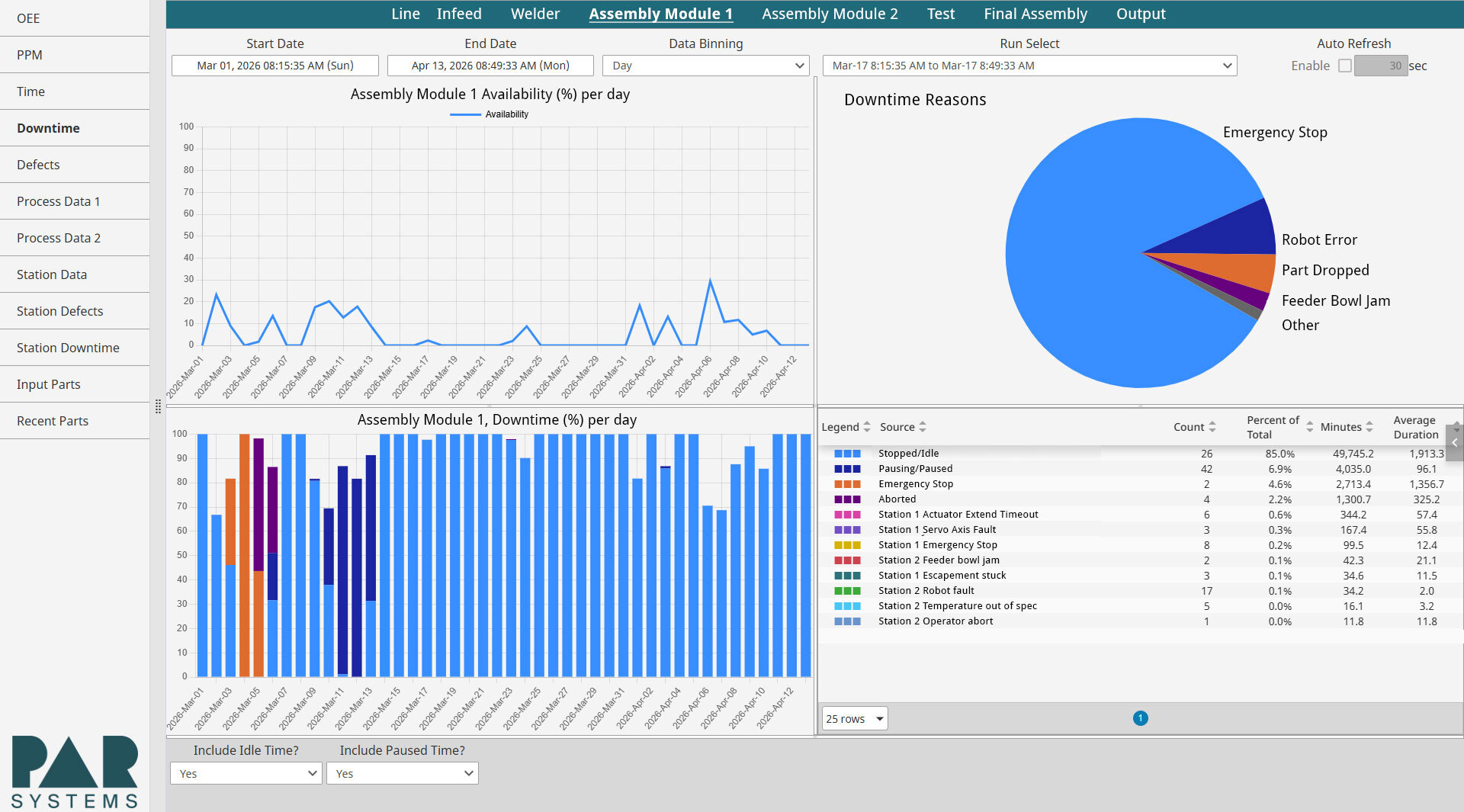
- Process data capture for traceability and drift detection
This is where PAR Systems can add significant value. Customers come to us when off-the-shelf falls short, or a higher level of manufacturing process cohesion is required.
What We’re Seeing in the Industry
At PAR Systems, we’re beginning to see this reflected in how medical device manufacturers approach automation. There is a growing emphasis on integrating precision assembly, inline metrology, and process control into cohesive systems, rather than treating them as separate steps, especially for devices where geometry and consistency are tightly coupled to performance.
PAR Systems Understand the Complexities of Medical Device Manufacturing
With over 20 years of experience designing custom automation for regulated life science environments, we bring the technical depth and process understanding needed to build equipment you can trust. Our systems are built to solve the unique challenges of medical device manufacturing.
Medical Device Expertise
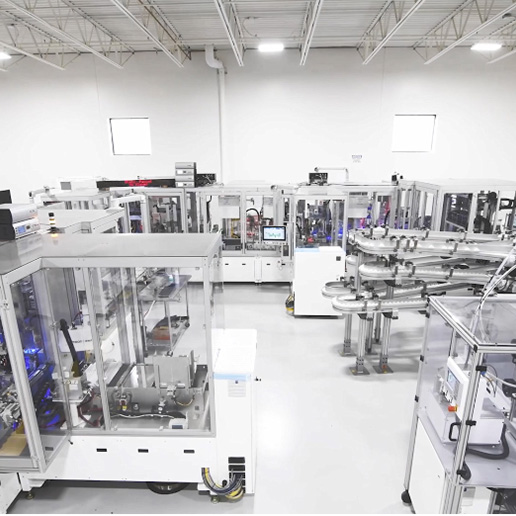
We empower innovation in medical device manufacturing through tailored automation solutions that ensure safety, precision, and efficiency.
Small Parts Precision Manufacturing
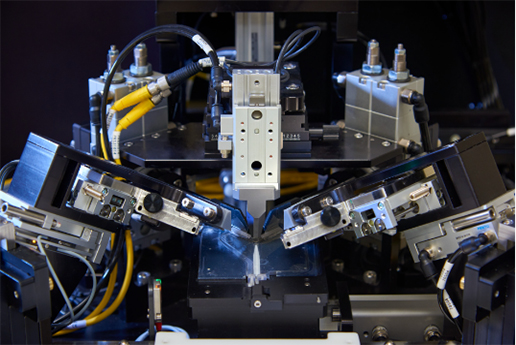
We excel at applications with extremely small components and high accuracy requirements, such as spheres smaller than 300 microns in diameter placed within 5 microns of positional accuracy.
R&D Laboratories for Manufacturing Innovation
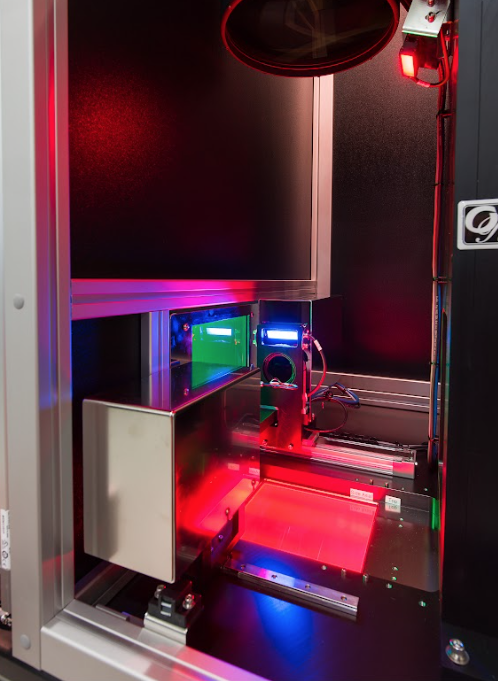
PAR Systems investigates and develops new technologies and conducts proof of concept studies within three state-of-the-art research and development laboratories.