PAR Systems Supports NASA's Artemis II Mission
A New Chapter in Human Space Exploration
NASA is preparing for a historic milestone in human spaceflight with the upcoming Artemis II mission, the first crewed flight of the Artemis lunar exploration program. Slated to launch in early February 2026, Artemis II will carry four astronauts on a roughly 10-day journey around the Moon, testing key spacecraft systems with crew aboard as NASA prepares for future lunar landings and deeper space exploration. PAR Systems’ work on Artemis II builds on our contributions to the successful Artemis I mission– an uncrewed test flight that validated critical launch and ground systems and paved the way for NASA’s first crewed mission beyond low Earth orbit in more than 50 years.
PAR’s Contributions to Artemis
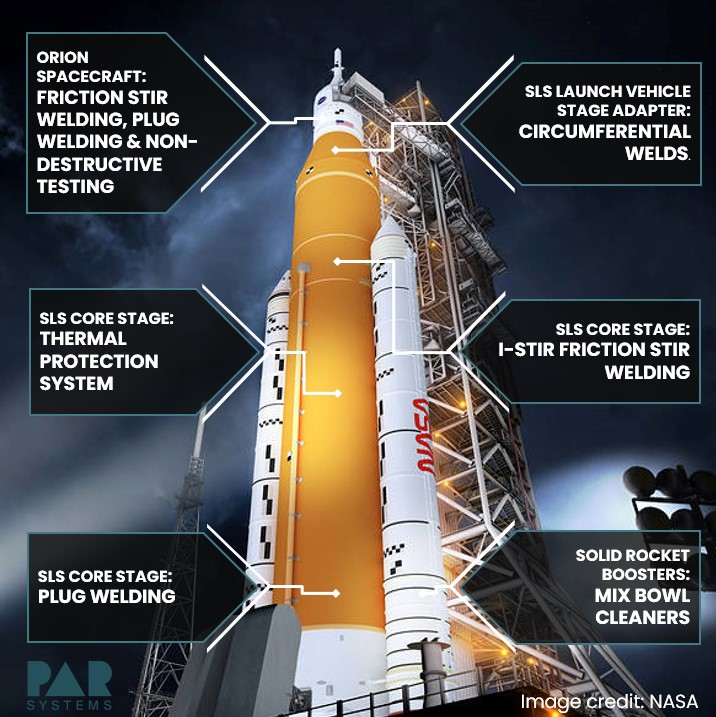
PAR Systems has a longstanding role in supporting critical manufacturing technologies for NASA’s Artemis program, contributing precision automation and engineered systems that help build and prepare the rockets and spacecraft that make missions like Artemis II possible.
Precision Welding for Structural Integrity
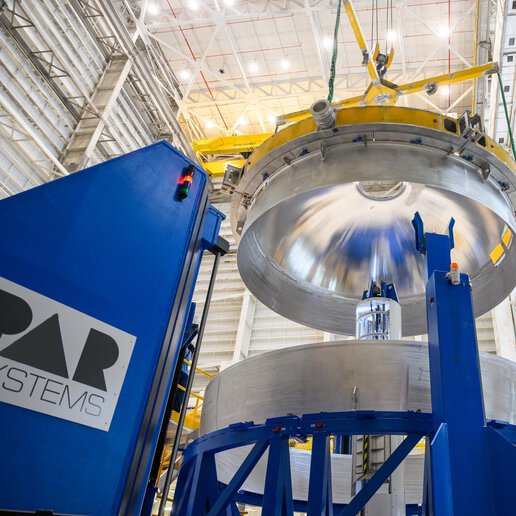
One of PAR’s key contributions is friction stir welding (FSW) technology, which provides high-quality, defect-free welds for aluminum components used in rocket stages and tanks. PAR’s advanced FSW systems deliver strength and reliability that are essential for the demanding structural requirements of spaceflight hardware.
Specialized Crane Systems
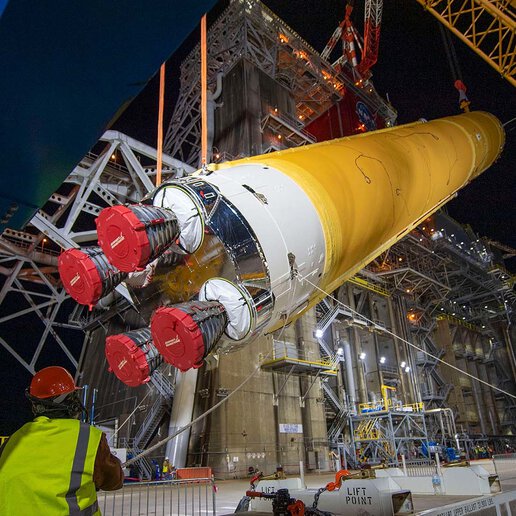
PAR-designed specialized crane systems have also supported NASA’s manufacturing and assembly processes. These cranes handle heavy, high-value components throughout production and final rocket stack assembly, enabling safe and precise movement of complex hardware during integration and testing.
Automated Spray Systems for Thermal Protection
Thermal protection is critical to ensuring the SLS rocket’s liquid hydrogen tanks maintain structural and thermal performance during launch and ascent. PAR’s automated spray systems have been used to apply foam insulation and protective coatings that help maintain temperature control and structural integrity under extreme conditions.
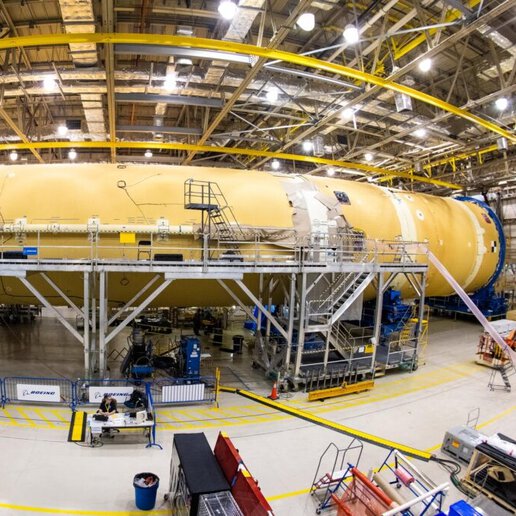
Together, these technologies demonstrate PAR’s expertise in adaptive manufacturing, automation, and precision systems engineering- capabilities that contribute to complex aerospace programs like Artemis.
While PAR’s contributions are part of the broader Artemis ecosystem of contractors, engineers, and scientists, they exemplify how advanced manufacturing solutions can support human spaceflight. As Artemis II moves toward its launch date and pushes the boundaries of crewed deep-space missions, PAR remains proud to play a role in the journey to the Moon and beyond.
Media Gallery
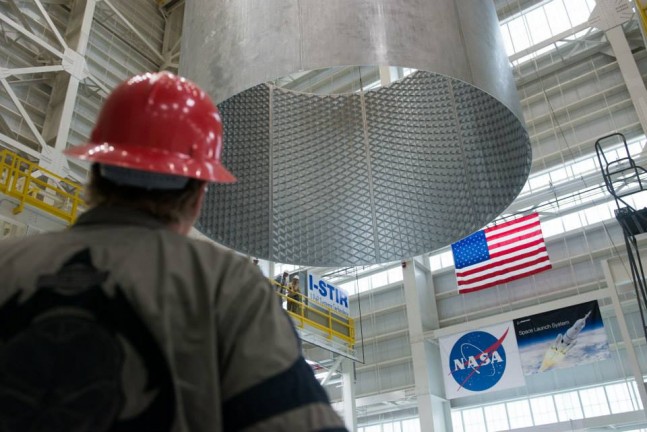
Our systems played a part in making critical components and assemblies for the Artemis l mission. Here, eight individual pieces were welded together with tight tolerances to form one section of the core stage barrel.
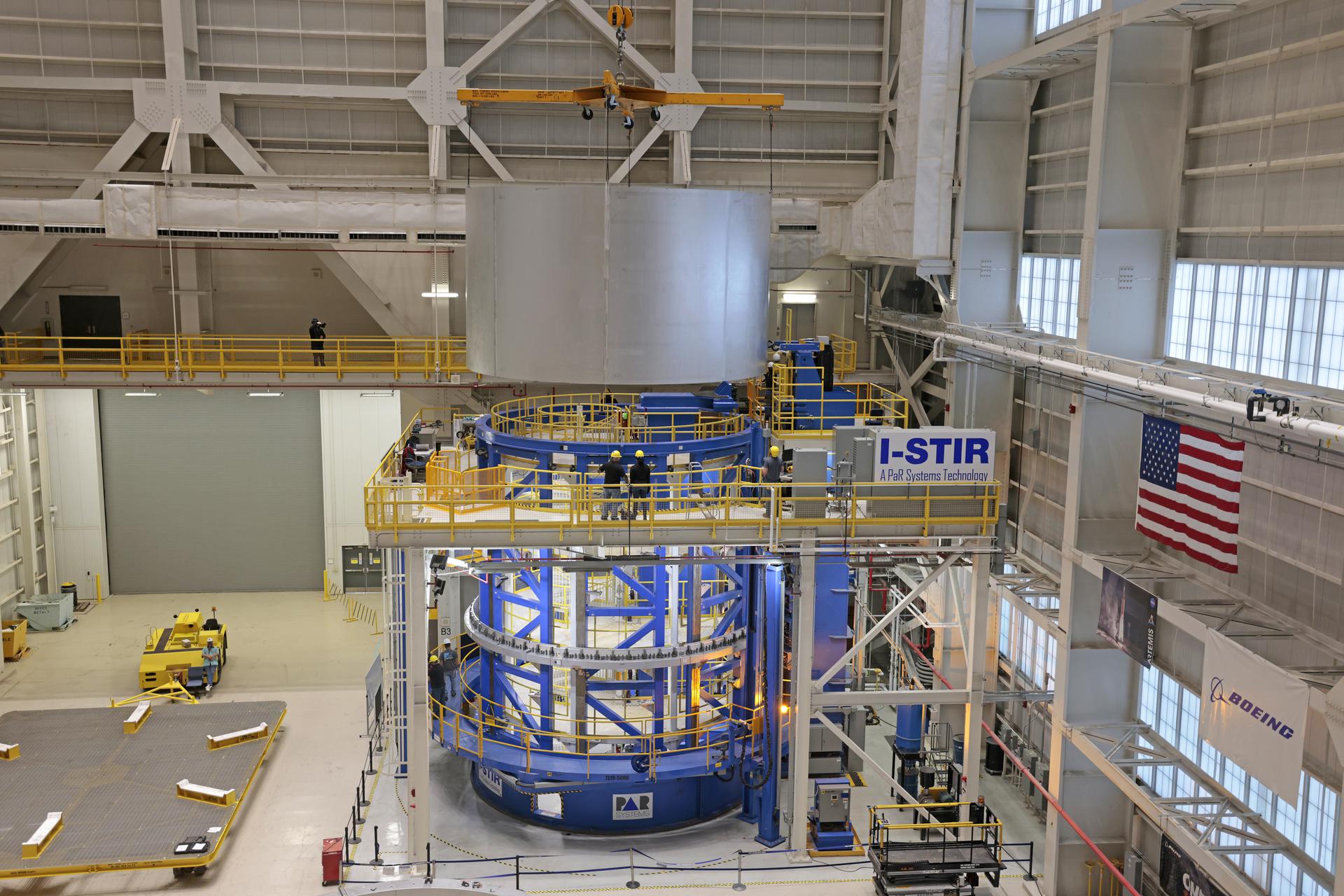
I-STIR Friction stir welding technology was used to manufacture the liquid oxygen and liquid hydrogen tanks which hold 733,000 gallons of propellant.
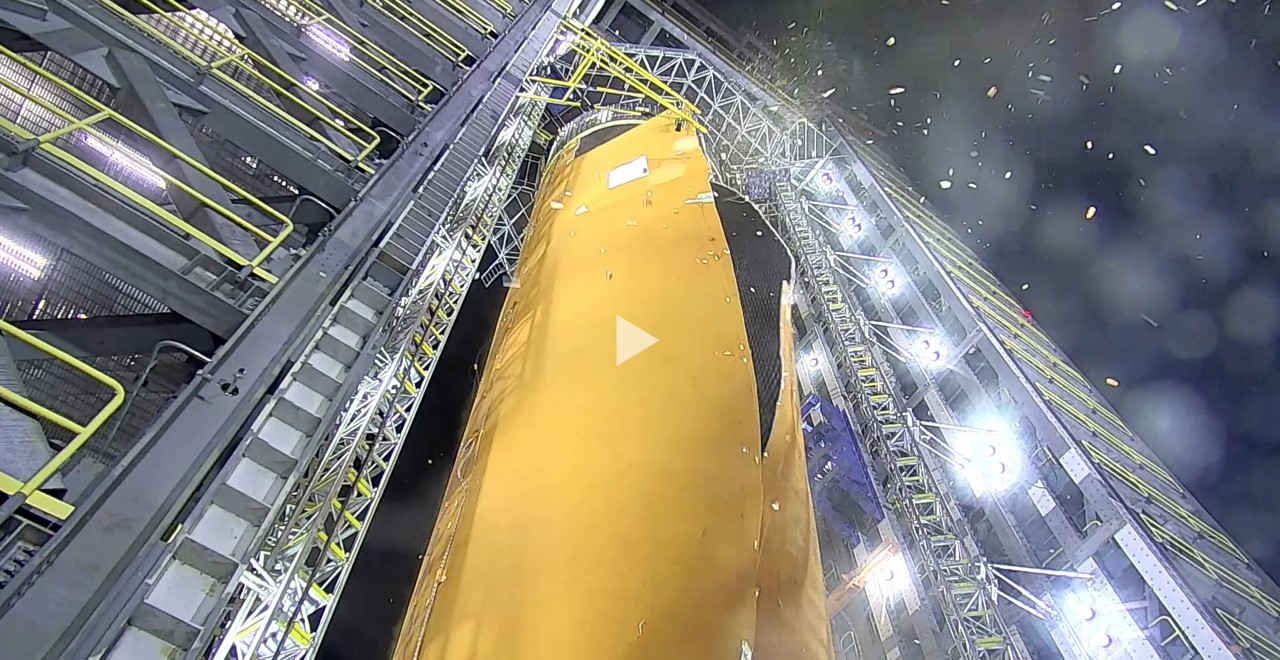
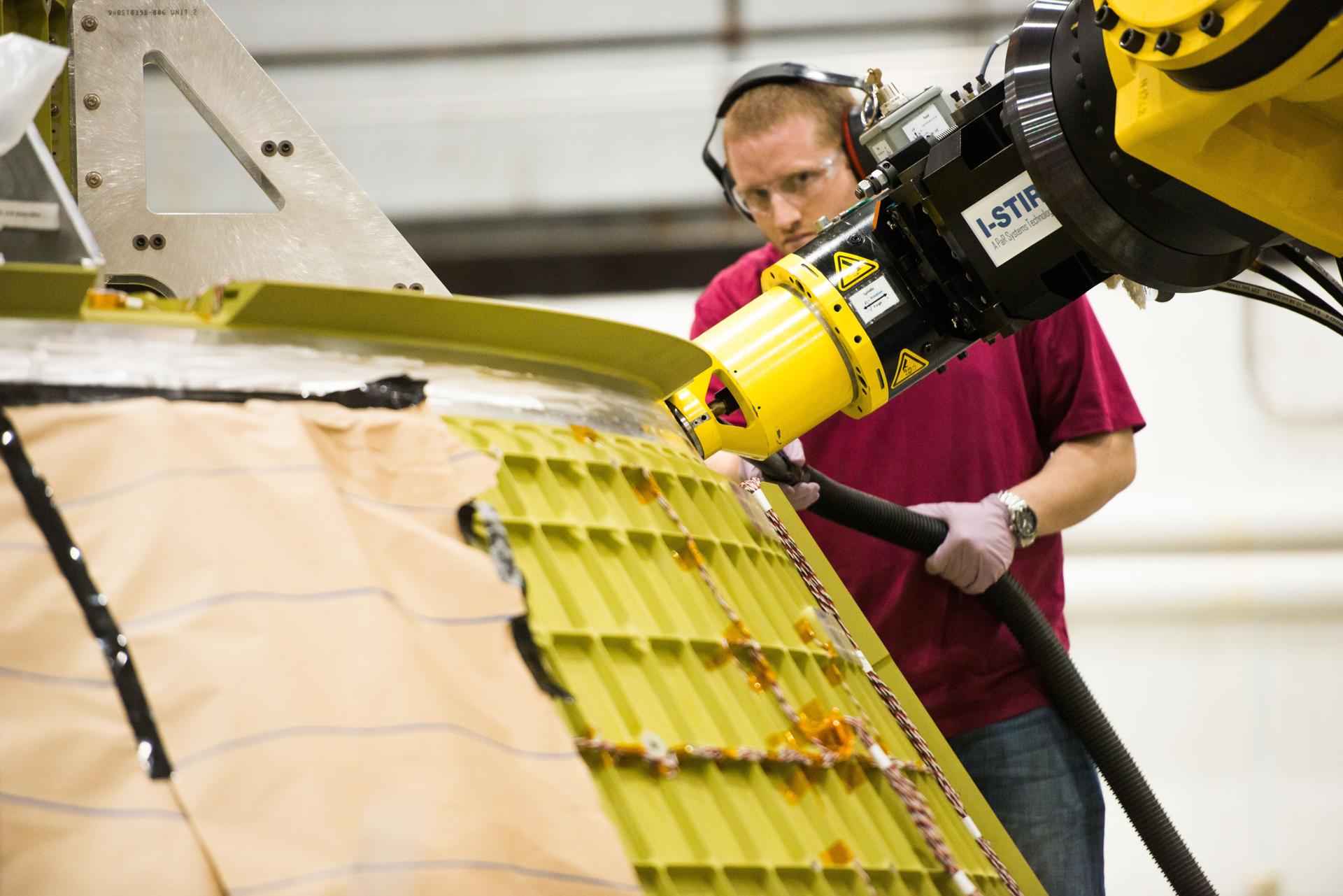
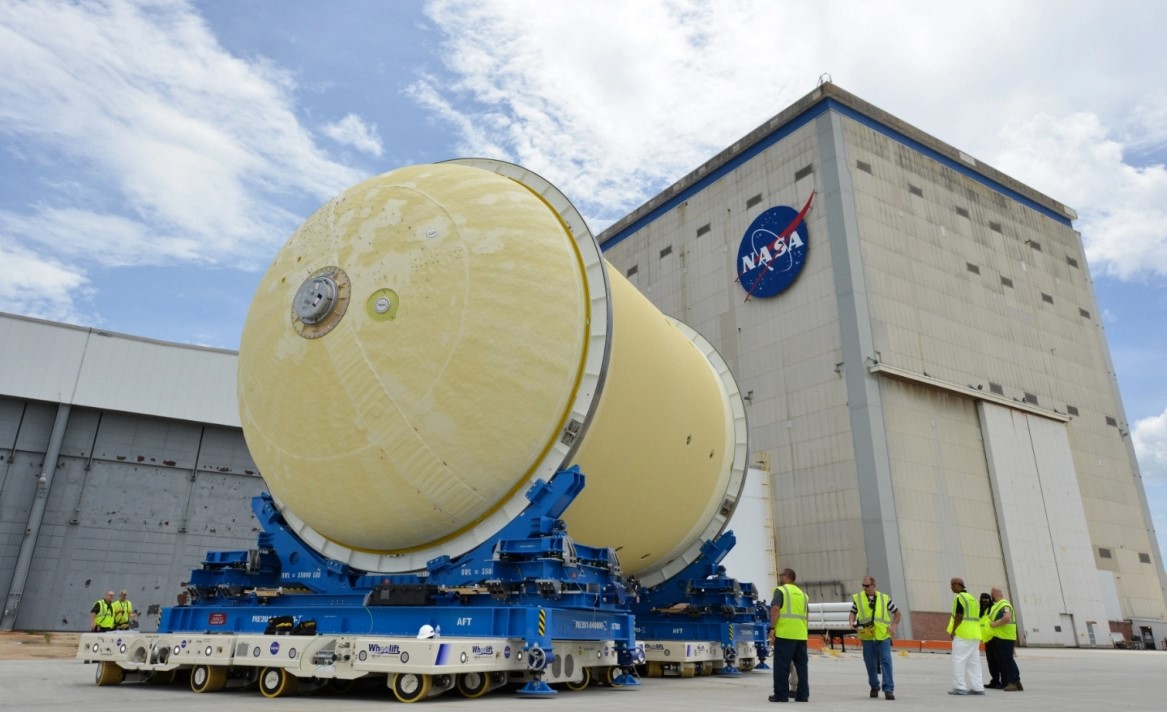
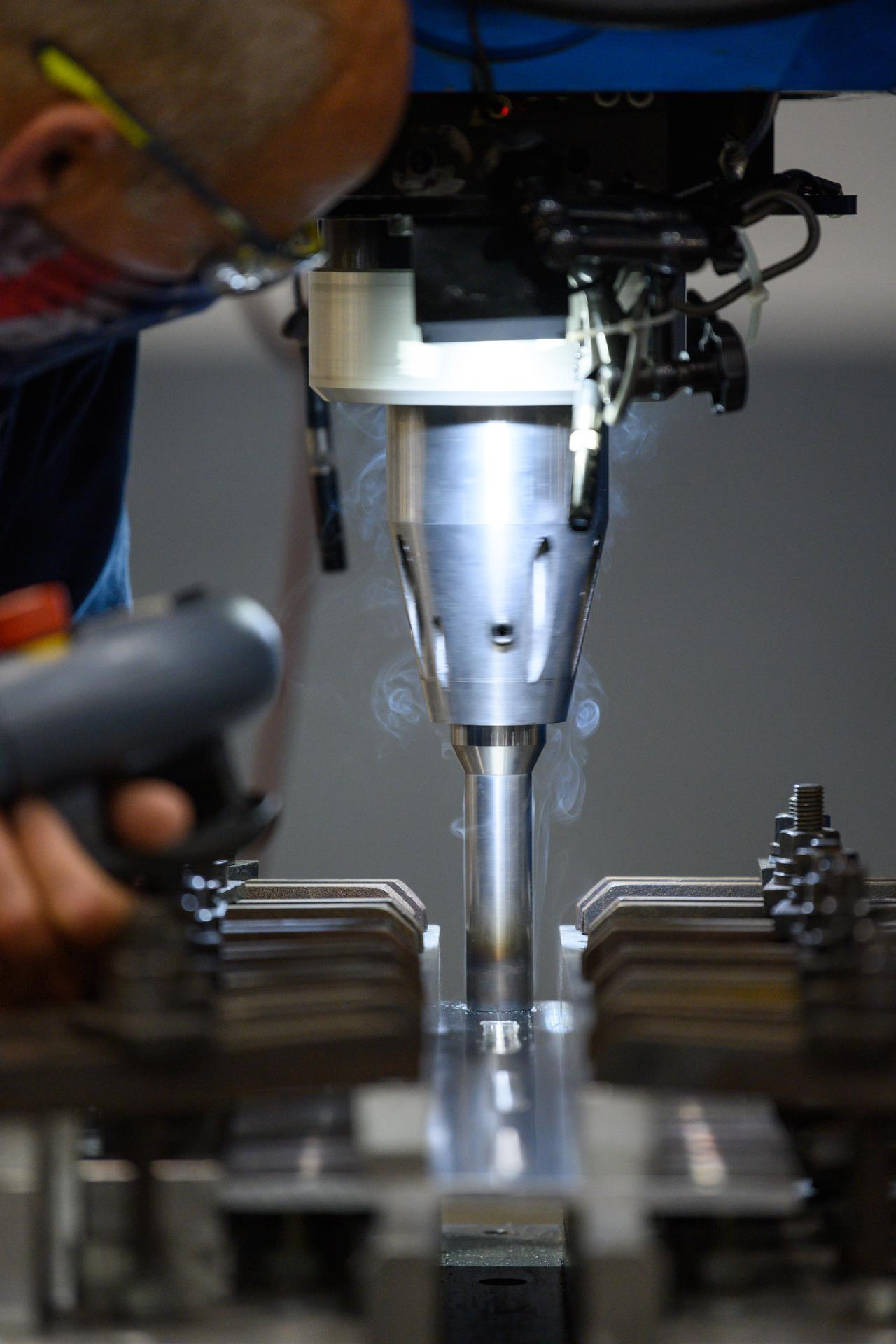
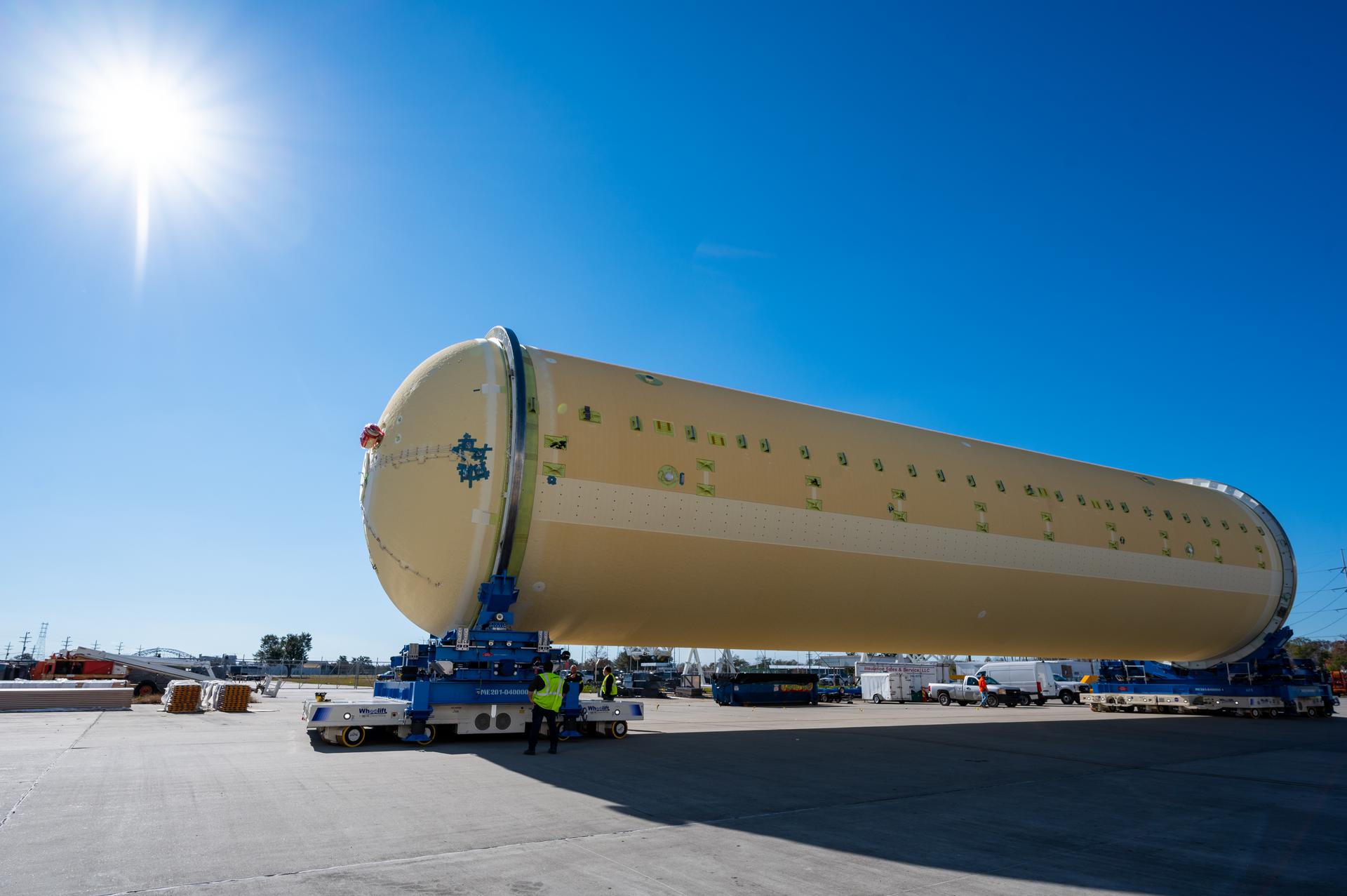
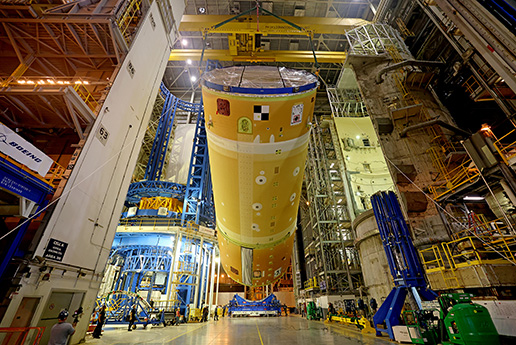
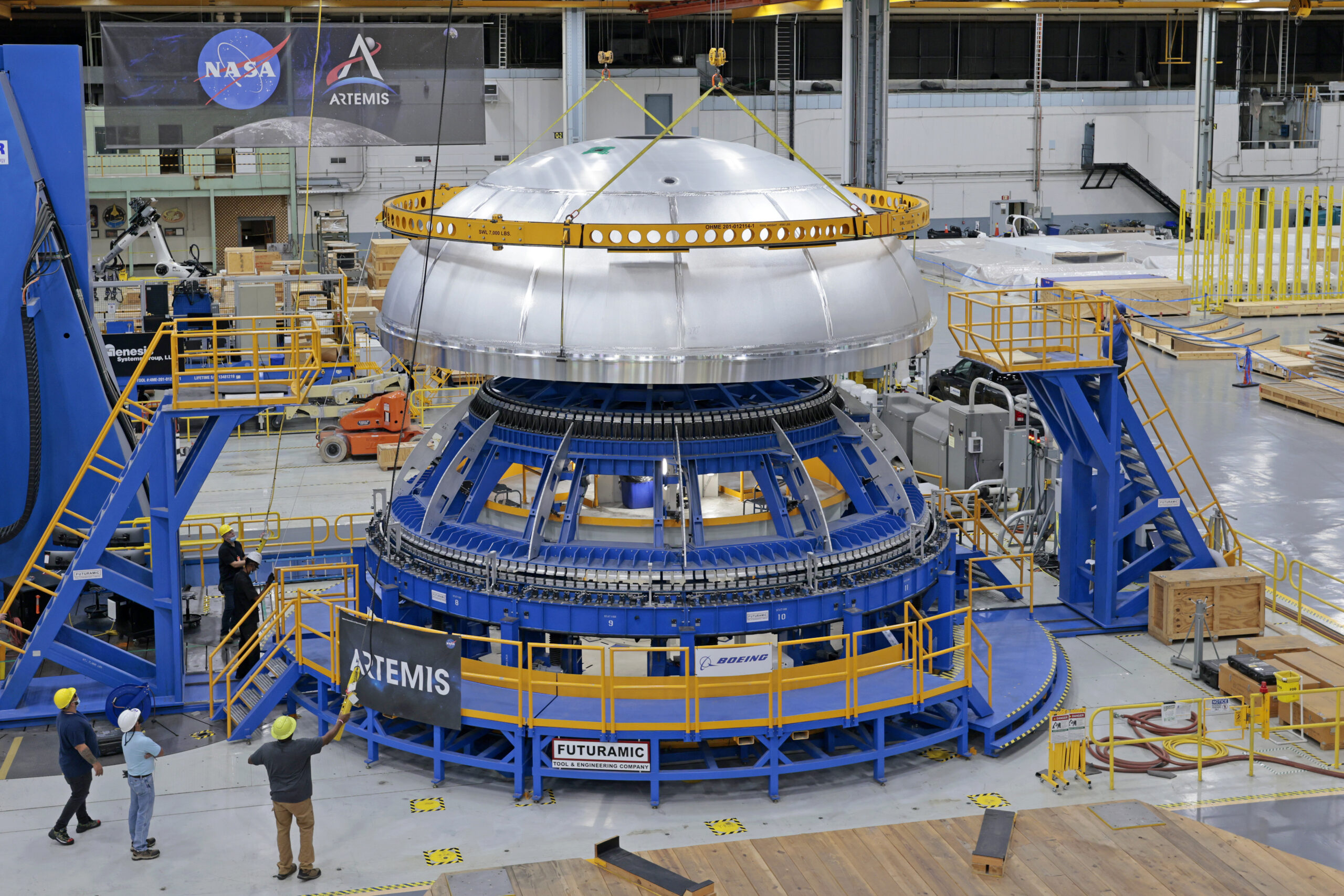
Image credits: NASA